

Spirulina powder: Can the elderly and children eat it?
As the spirulina powder industry is booming, many families have questions: Is spirulina, known as a "super ingredient," suitable for consumption by the elderly and children?
Release time:
2025-08-25
Source:
As the spirulina powder industry is booming, many families have questions: Is spirulina, known as a "super ingredient," suitable for consumption by the elderly and children?
一、Elderly people: Spirulina is a "high-quality nutritional supplement for the elderly", but it needs to be precisely adapted to their needs
1. Why is it suitable for the elderly? 3 core benefits
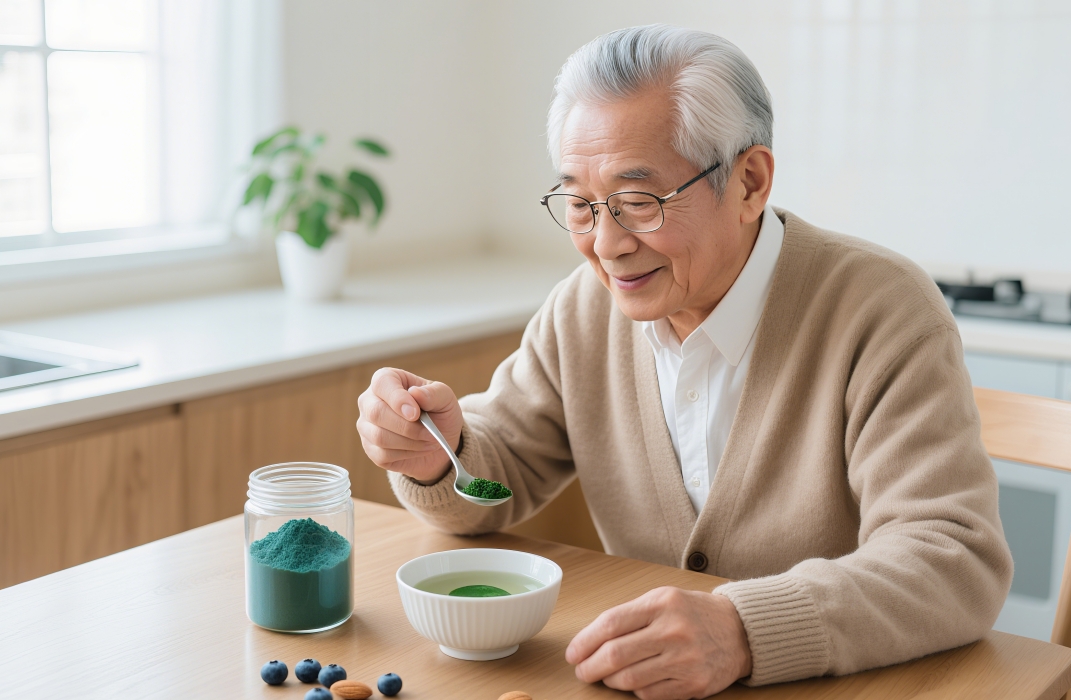
- Improve absorption and anemia:Elderly individuals have poor absorption capacity for iron and protein, only 60%-70% of that of younger individuals. Spirulina contains small, easily digestible proteins (PDCAAS score of 1.0, similar to eggs), and its iron is chelated within the algae, resulting in an absorption rate of 45% (far exceeding the 15% of conventional iron supplements). Clinical trials have shown that a domestic brand of "Spirulina Nutrition Paste" (containing 8% spirulina powder) showed an average 18% increase in hemoglobin and a 32% reduction in indigestion rates among elderly individuals who consumed it for eight weeks. The product has been included in community-based elderly care programs.
- Regulate metabolic indicators:Spirulina can help improve high blood sugar and high blood lipids in the elderly. Its polysaccharides inhibit α-glucosidase, reducing postprandial blood sugar spikes as effectively as mild hypoglycemic drugs without side effects. Gamma-linolenic acid (GLA) regulates blood lipids. Hospital experiments have shown that elderly individuals who consumed 5g of spirulina powder daily for three months experienced a 15% decrease in triglycerides and no abnormalities in liver and kidney function.
- Improve immunity:Phycocyanin and beta-carotene activate immune cells in the elderly, reducing the risk of upper respiratory tract infections. Data from Japanese nursing homes show that adding 3g of spirulina powder daily reduces the number of colds per year from 4-5 to 1-2, and shortens hospital stays by 40%.
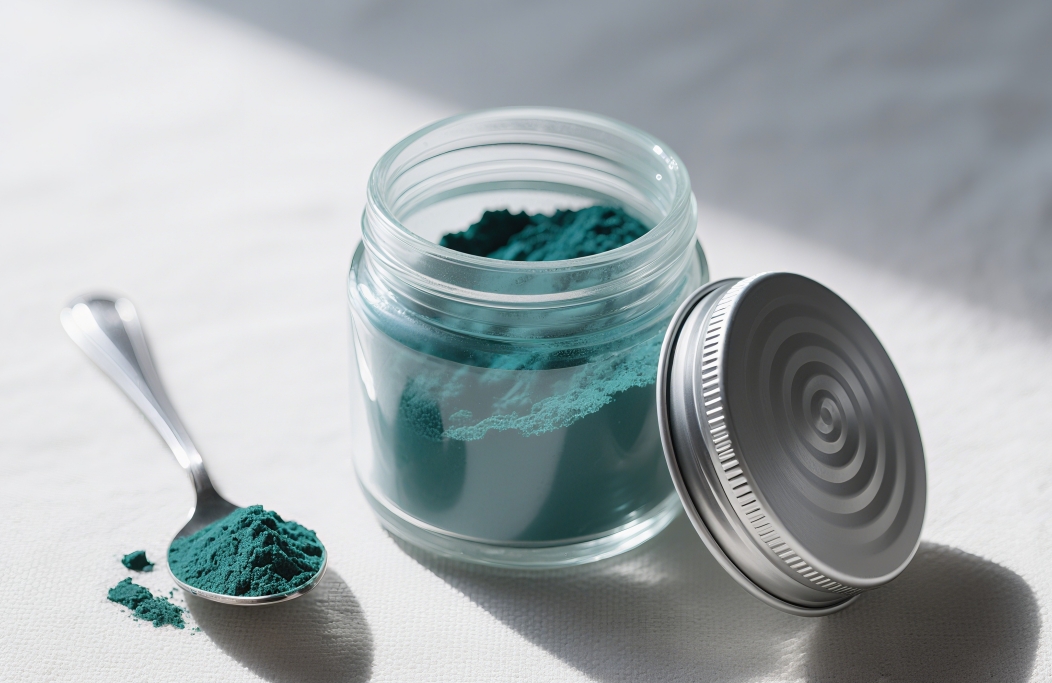
二、Children: Spirulina is a "nutritional supplement for food supplements," but there are clear "age limits" and consumption regulations.
- Control the dosage and gradually increase the dosage:Initially, take 1g (about 1 teaspoon) daily, which can be dissolved in warm porridge, milk, or soy milk (avoid high temperatures). After one week without discomfort, increase the dosage to 2-3g/day, but do not exceed 5g daily to prevent abdominal distension in the elderly due to slow intestinal motility.
- Carefully select products to avoid risks:We recommend "Spirulina Powder for Seniors," especially those with added calcium and vitamin D. We also prioritize products grown in closed photobioreactors, with a purity of ≥95% and heavy metal levels ≤0.1mg/kg. Look for USDA organic certification and SGS heavy metal testing reports, and avoid products grown in open ponds (which can contain algal toxins).
- Take as directed by your doctor:Elderly people who are taking hypoglycemic drugs or anticoagulants (such as warfarin) need to consult a doctor in advance, as spirulina may enhance the efficacy of the drugs, or they may need to reduce the dosage of hypoglycemic drugs by 10%-15% to avoid hypoglycemia. People with severe renal insufficiency and creatinine >442μmol/L need to consume spirulina with caution to prevent protein from increasing the burden on the kidneys.
2. 4 “Absolutely Don’ts” for Children
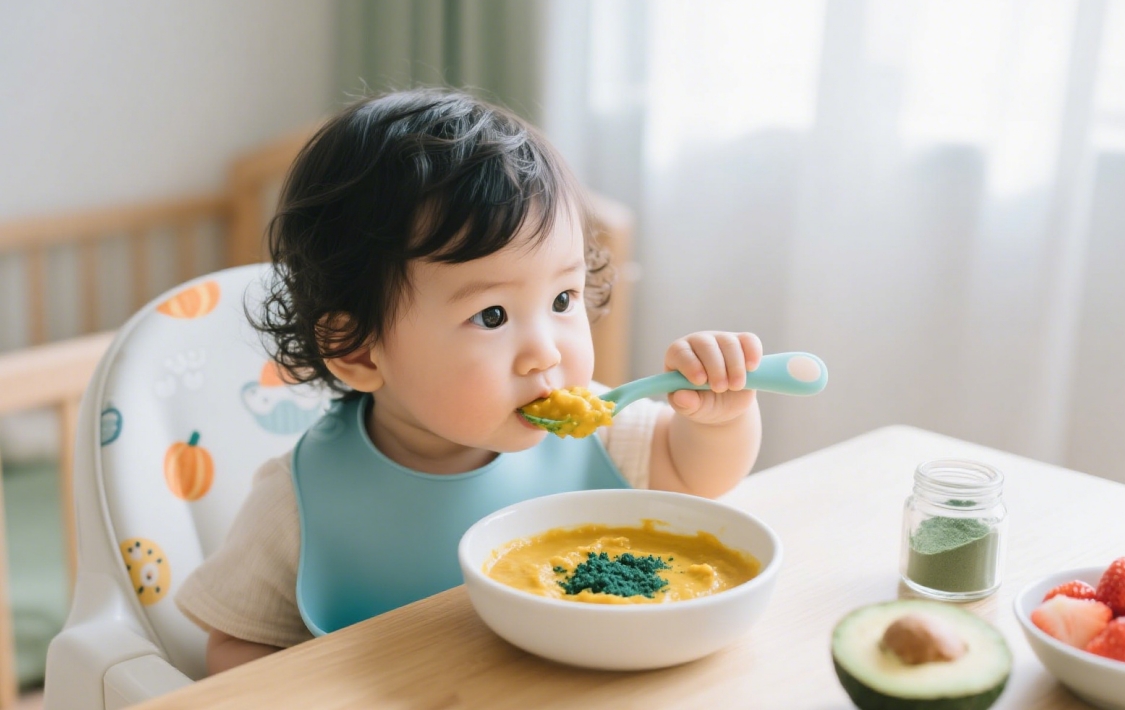
- Infants under 1 year old are prohibited from eating:Because the intestinal mucosa is not fully developed, the phycocyanin and polysaccharides in spirulina can easily cause allergies. Infant nutrition is mainly based on breast milk, formula milk or high-iron rice noodles. Eating spirulina will increase the burden on the intestines and even cause allergic shock. This is a consensus in the nutrition community.
- Strictly control dosage according to age:Children aged 1-3 years should take 0.5-1g daily; children aged 3-6 years should take 1-2g daily; and children aged 6 years and above should take 2-3g daily. Avoid giving children half the adult dose to prevent accumulation of vitamin A and beta-carotene, which can cause yellowing of the skin due to imperfect liver and kidney function. Restoration of the dose for 1-2 weeks will resolve the problem.
- Choose a children's model:The children's version of Spirulina powder has adjusted ingredient ratios, increased calcium and vitamin C, and reduced protein content. It's also deodorized and enhanced with natural fruit powder for a more refined taste. The adult version contains more salt and additives and is not suitable for children.
- Get allergy testing done:Initially, mix 0.1g of spirulina powder with 5ml of warm water and feed 1-2 teaspoons. Observe for 24 hours. If allergic symptoms such as rash or diarrhea occur, stop feeding immediately. If no abnormalities occur, gradually increase the dosage. Consume no more than 3-4 times per week to avoid affecting the child's nutrient absorption.
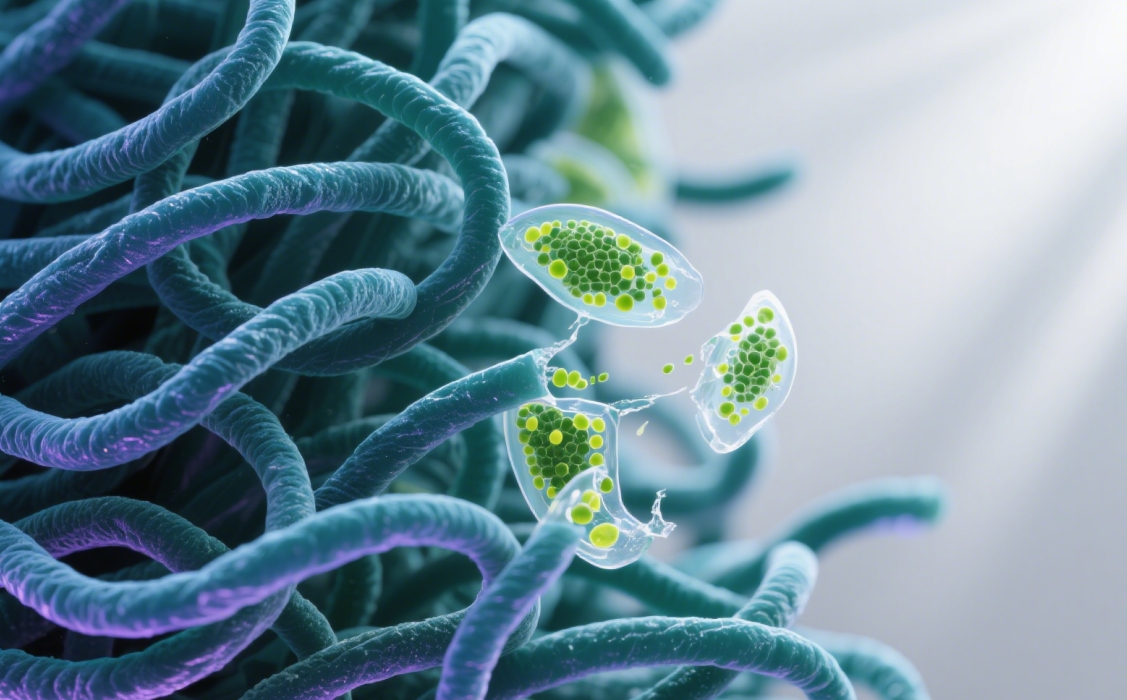
- Storage Tips:After opening, spirulina powder must be sealed in its original aluminum foil packaging, squeezing out any air. Store in a refrigerator at 0-4°C, reducing its shelf life from 18 months to 6 months. Exposing the powder to room temperature can lead to oxidation and inactivation of phycocyanin, causing it to turn dark brown. Moisture can also cause it to clump and mold.
- Styling Guide:Elderly people should enjoy it with soft foods such as warm porridge and tofu pudding; children can mix it with rice paste or fruit puree. Avoid taking it with foods high in calcium, as spirulina's oxalic acid binds with calcium, affecting absorption. It is recommended to wait at least two hours between doses.
- Brand selection:When purchasing, look for traceable brands, pay attention to breeding bases, real-time monitoring, and batch inspection reports. For products specifically for the elderly/children, pay special attention to safety information to reduce purchasing concerns.
Spirulina powder is suitable for improving absorption and treating chronic diseases in the elderly. It is also suitable for children over one year old who are picky eaters or have weak immune systems to enhance complementary nutrition. It is backed by proven product support. The key lies in choosing the right product, controlling consumption, and avoiding contraindications.
previous page
Related News
2026-05-27
2025-10-20
Get a free Inquiry
For inquiries about our products or pricelist, please leave your email to us and we will be in touch within 24 hours.


PRODUCTS
CONTACT US
A1305 yungu, Rongcheng, 57 Keji Third Road, High-tech Zone, Xi'an, Shannxi, China